根据客户需求灵活调整方案,从中小型赛事到大型直播均可承接。
7×24 小时售后支持,快速解决赛事 / 直播过程中的突发问题。
与多大赛事 IP 深度合作,可提供稀缺直播内容与周边授权。
覆盖赛事策划、直播技术、周边供应链,提供一站式解决方案。

面向未来,球盟会体育将坚持以透明规则守护公平与信任,持续深化围绕重大赛事与节假日策划主题活动与版本更新,并以数据面板与战绩回放功能为抓手,在产品、技术与服务等维度不断升级,为用户打造更具信赖感与安全感的线上娱乐环境。公司也将持续加强与内容合作方、渠道伙伴及技术厂商的协同创新,共同探索更加多元的玩法形态与增值服务场景。
球盟会平台创立于 2013 年,注册地址位于深圳市南山区科技园片区,以线上互动娱乐为核心方向,持续拓展平台搭建与产品运营能力。通过搭建覆盖产品、研发、运营与客服的协同体系,形成从需求洞察、方案设计到上线运营的闭环流程,让用户声音被快速感知并落实到具体迭代中。通过不断优化新手引导流程与界面交互细节,帮助用户在较短时间内完成从初识平台到熟练使用的过渡。
公司围绕模拟经营类游戏、捕鱼游戏、手机游戏搭建产品矩阵,从轻度休闲到重度竞技均有布局,持续丰富内容层次与玩法深度。在产品形态上,既涵盖综合大厅,也规划专题场馆与主题活动专区,配套多端同步与云存档能力和账号保护与找回流程,有效提升互动密度、活跃度与平台粘性。在社区规范与互动机制上强调文明交流与理性娱乐,通过激励与约束并行的方式,维护健康有序的互动环境。
为适配跨区域访问与高频版本迭代,球盟会足球直播引入智能日志聚合与异常识别系统,配合实时数据仓库与分析平台与CDN 加速与边缘节点部署,实现灵活部署、弹性扩缩与全链路可观测能力。在合规运营方面,公司建立反洗钱与异常行为监测流程,构建多层级内容审核与社区治理机制,并通过制度与技术手段结合,对关键业务链路设置多重防线,从源头降低潜在风险,守护用户账户与数据安全。
提供赛事医疗救援、直播断流应急方案等安全保障措施。
联合退役运动员开展线下培训课程,结合直播进行线上教学。
定制球衣、纪念品、数字藏品等体育衍生商品的设计与生产。
组织电竞、虚拟体育等线上赛事,配套直播与互动功能开发。
提供赛事场馆灯光、音响、LED 屏等硬件设备的安装与调试。
提供赛事直播版权、IP 形象使用权等合规授权解决方案。
涵盖信号采集、导播切换、推流分发等环节,保障直播流畅与观看体验。
从赛事立项、资源对接至场地布置,全链条规划执行,确保赛事顺利启动。
从设计打样、生产质检到仓储物流,一站式完成周边产品商业化落地。
收集赛事 / 直播数据,分析用户行为与转化效果,优化后续运营策略。

视讯游戏百家乐跟庄连胜buff,充值激活永久使用,路单趋势更清晰,稳健玩家盈利利器~✨🏆😎

去现场看网球公开赛,场地布置得超专业!每个区域都有清晰的指引,还有免费的饮水点,观赛体验满分💦🎾

赛事的周边市集太好逛了!买到了限量版的队旗,还和其他球迷交换了徽章,氛围感直接拉满~🎀




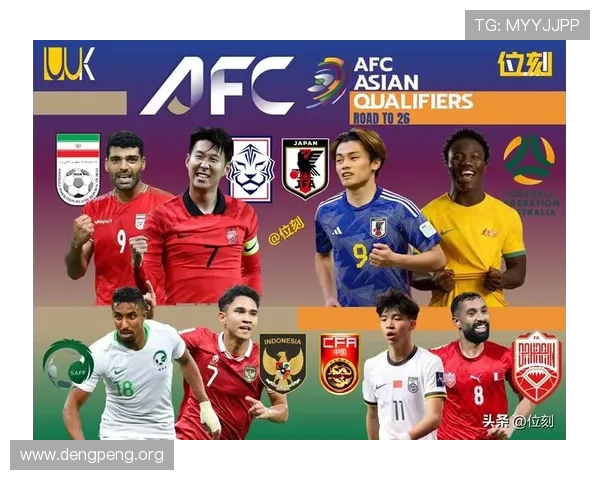
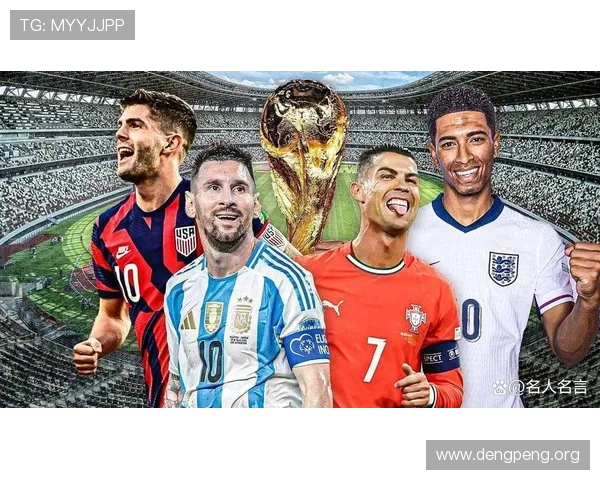
2026年世界杯已经确定的球队有哪些,详细分析各队晋级背景 2026年世界杯的参赛球队名单已经基本确定,来自不同洲际预选赛的强队纷纷晋级,展现出各自的实力和背景。此次比赛将由加拿大、美国和墨西哥联合举...
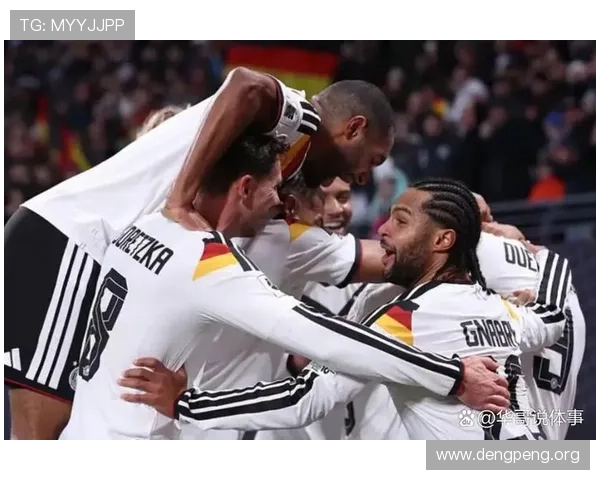
2026年世界杯已晋级球队最新动态,分析晋级球队的战术特点与潜在优势 2026年世界杯的晋级球队已经尘埃落定,各支球队展现出了不同的战术风格和潜在优势。整体来看,传统强队依然保持强势,但一些新兴力量也...
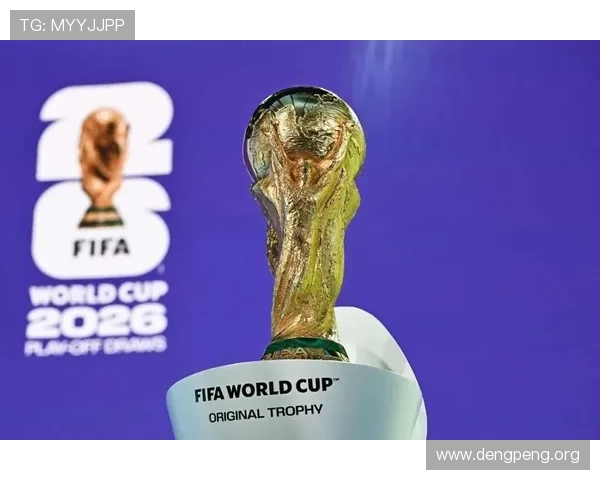
2026年世界杯已出线球队详细名单公布,哪些国家成功晋级值得关注 2026年世界杯的出线球队名单已经正式公布,来自全球各大洲的强队纷纷确认晋级,令人振奋。此次比赛共有48支球队参赛,经过激烈的预选赛,...
球友会下载官网常见问题解答及安全保障措施全面解析保障玩家权益 球友会下载官网作为广大玩家获取游戏下载、资讯和服务的重要平台,始终以保障用户权益为核心。无论是下载安全、账号保护,还是支付安全、隐私保障,...
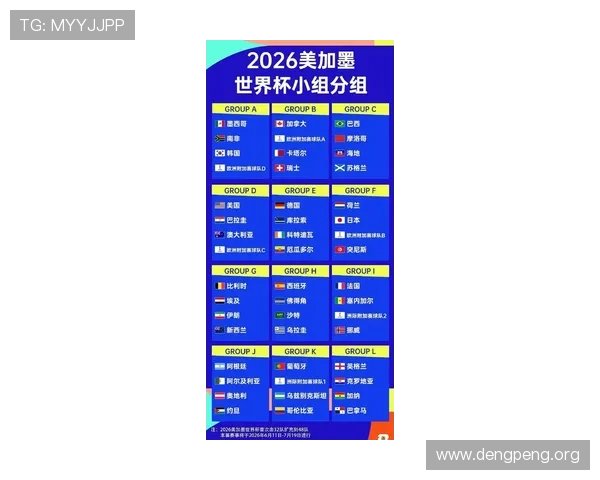
2026年世界杯已出线球队名单汇总,分析各队晋级背后关键因素 2026年世界杯的出线球队名单已经尘埃落定,来自不同大洲的强队纷纷晋级,展现出各自的实力与潜力。此次出线的球队不仅代表了各自国家的足球水平...
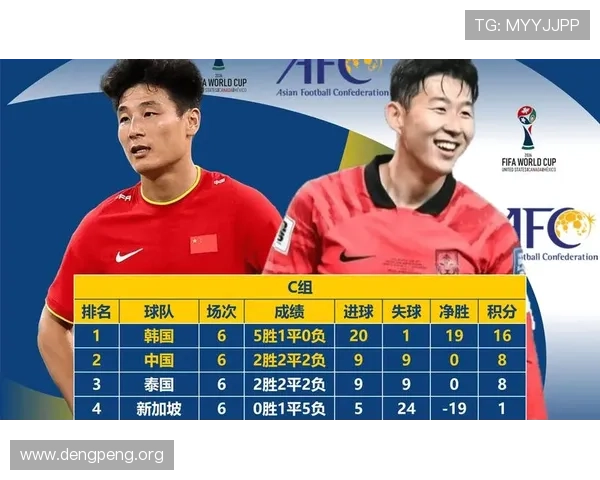
2026年世界杯已出线球队名单公布,哪些国家成功晋级值得关注 2026年世界杯的出线球队名单已经正式公布,来自不同洲际的国家队纷纷确认晋级,令人振奋。此次晋级名单中,传统足球强国如巴西、德国、阿根廷等...
👉 dengpeng.org 聚焦 球盟会体育 主题,整合足球直播、平台服务、赛事导航与移动访问等内容,首页表达更符合中文阅读习惯,也更利于 Bing 搜索结果中的展示与点击。